SeriesDocumentary
The story
- Network
- BBC One
Seasons & episodes
7 episodes1998
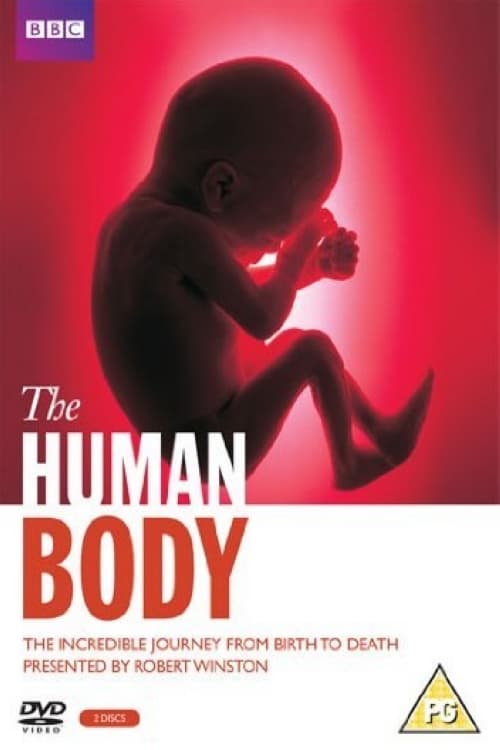
- E1E150mLife StoryMay 20, 1998Documentary series focusing on the seven ages of existence, using real-life examples as well as state-of-the-art photography and specially-devised medical imaging. In this programme, Professor Robert Winston explores the complexity of the human body, explaining how it came to be the most advanced life-form on the planet.
- E2E250mAn Everyday MiracleMay 27, 1998This programme follows a pregnancy from conception to birth using new medical imaging techniques developed for the series
- E3E350mFirst StepsJun 3, 1998Motion analysis, a new filming technique, reveals the intricacies of how babies crawl. Medical imaging shows the tiny organ in a baby's ear that ensures balance. And an ingenious experiment proves how children as young as three can lie convincingly.
- E4E450mRaging TeensJun 10, 1998In this programme, Professor Robert Winston looks at the physical changes brought about by puberty. Footage shot inside the body reveals how sexual development accelerates, periods start, voices break, and spots and body odour make their first appearance as hormones surge through the system.
- E5E550mBrain PowerJun 17, 1998This programme examines the human brain, the most complicated object in the known universe. Cameras capture a single brain cell, magnified 10,000 times, as it fires an electrical impulse. Scanners show the complex activity required for simple pastimes. And, in the name of science, Professor Robert Winston shows how the brain's delicate balance of chemicals can be disrupted by a few glasses of wine.
- E6E650mAs Time Goes ByJun 24, 1998Humans are the only mammals to live beyond their child-bearing years, and this programme examines the ravages of ageing. Professor Robert Winston explains why baldness and wrinkles set in, and how we become more vulnerable to diseases and accidents.
- E7E750mThe End Of LifeSeries finaleJun 25, 1998Professor Robert Winston explores the processes our bodies go through when we die. He discovers what it is that determines when we are dead, and hears from people who have been through heart attacks and near-death experiences. And to shed light on the human side of dying, cameras accompany Herbie as he slowly succumbs to cancer and shows that it is possible to die without pain and fear.
Cast
Themes
Stills & videos
If you liked this
 Human Planet2011
 Life on Our Planet2023
 One Strange Rock2018
 Natural World1983
 Planet Earth II2016
 Planet Earth2006
 Prehistoric Planet2022
 NOVA1974
 A Real Bug's Life2024
 Great Migrations2010
 Secrets of the Penguins2025
 Life After People: The Series2009
 Life2009
 Nature1982
 Our Planet2019
 Night on Earth2020
 Biography1987
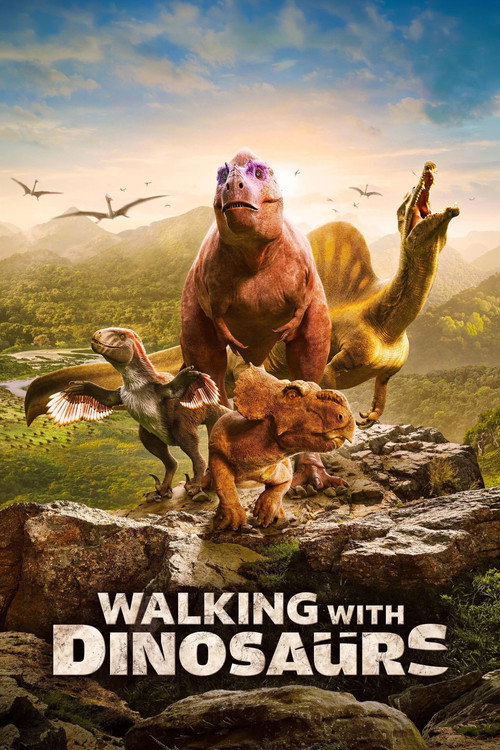 Walking with Dinosaurs2025
 South Pacific2009
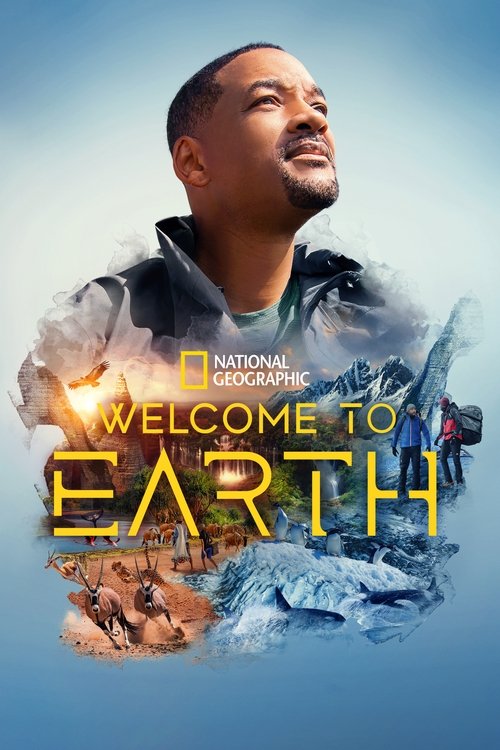 Welcome to Earth2021
More like it
 500 Nations1995
 The 12th Victim2023
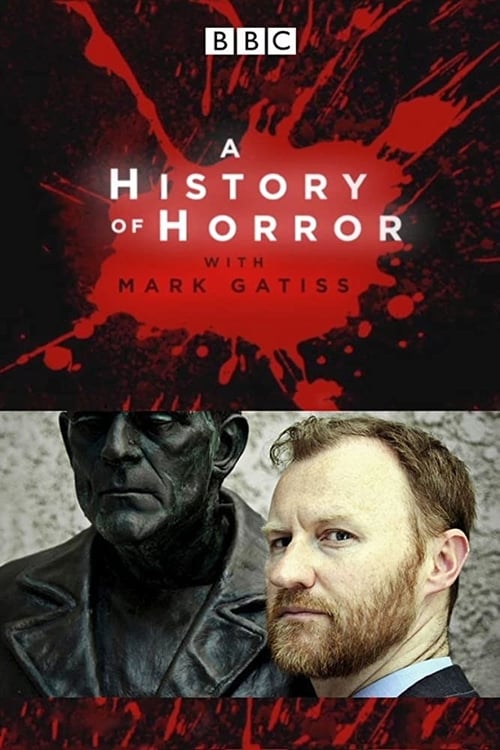 A History of Horror2010
 The Dark Money Game2025
 The Story of Science: Power, Proof and Passion2010
 ARASHI's Diary -Voyage-2019
 Billy Joel: And So It Goes2025
 Taking Fire2016
 Taurasi2025
 African Queens: Njinga2023
 The Romantics2023
 992024
 The History of Sex1999
 The American Buffalo2023
 Real Vikings2016
 Kingdom of the Mummies2020
 Kylie2026
 The Cult of NatureBoy2026